The Architecture of Identity: Forging Your Sartorial Signature
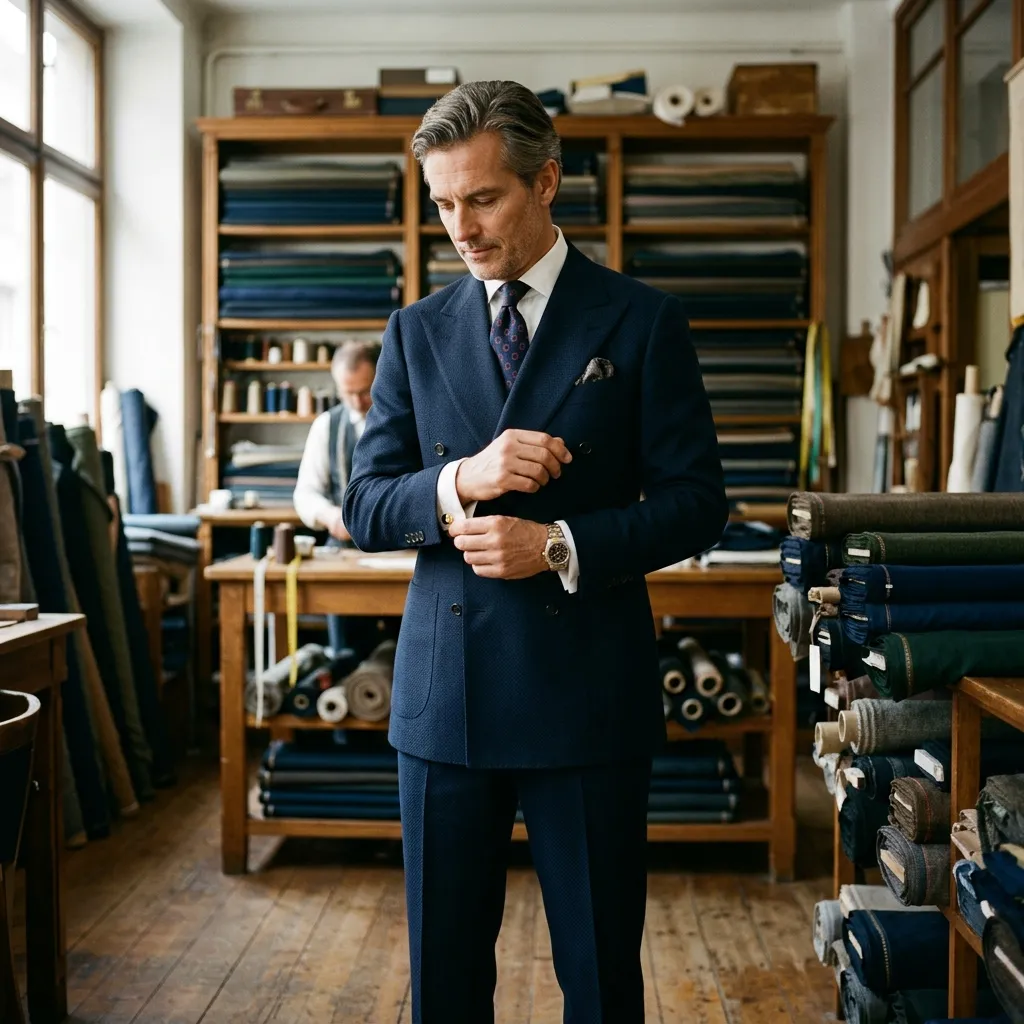
The modern man is besieged by a relentless tide of algorithmic trends and disposable garments. Surrounded by this noise, to ask, "how do i find my own style," is no trivial matter of consumption. It is an existential inquiry into how one curates their physical presence in the world. True elegance cannot be purchased off the peg on a Saturday afternoon. It is forged over years of trial, error, and meticulous observation. It demands an absolute rejection of mass-produced mediocrity in favor of artisanal permanence.
The Lexicon of Cut and Cloth
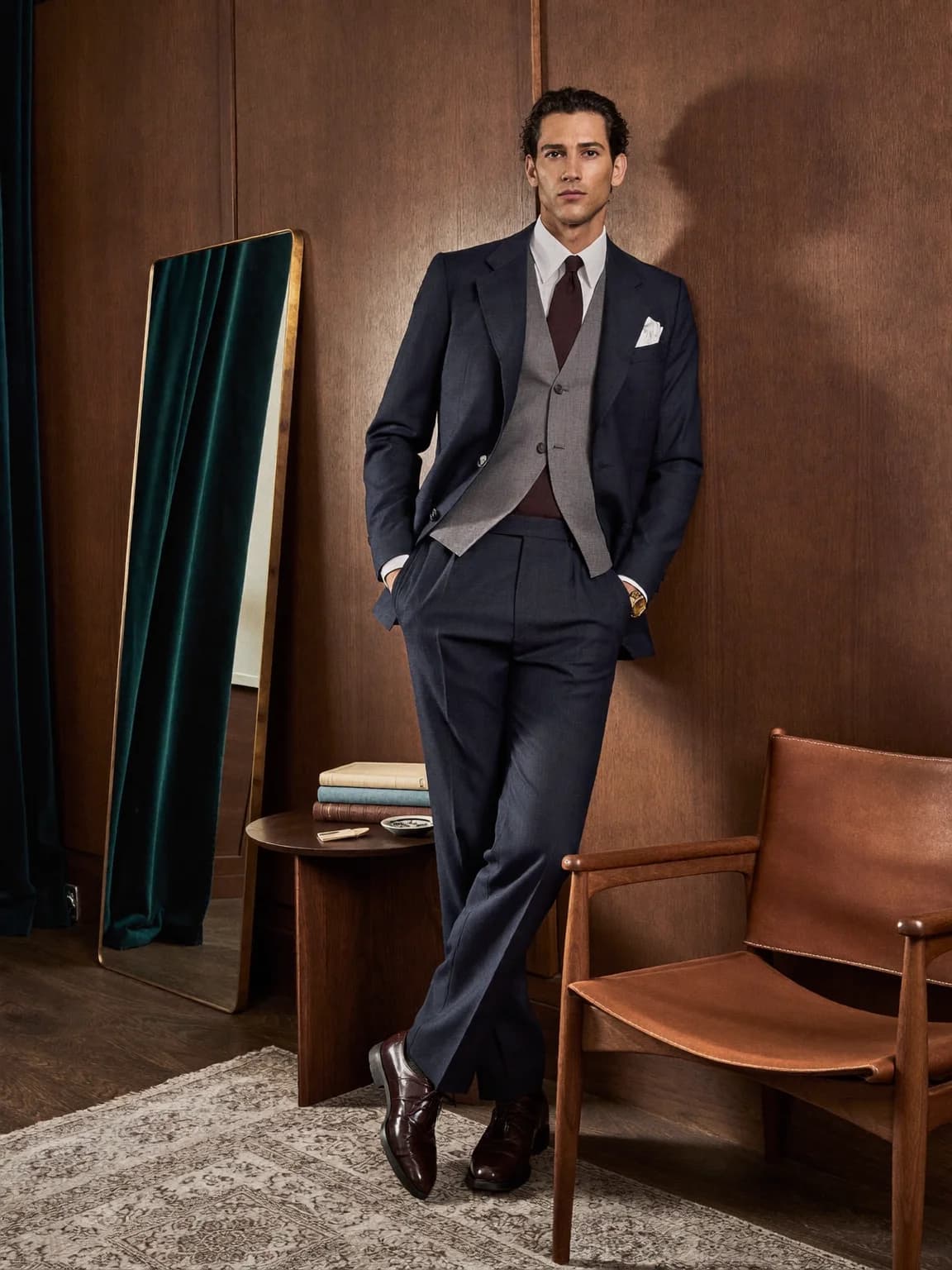
Before one can critically evaluate what are good style choices, one must master the fundamental grammar of menswear: the alchemical relationship between cut, canvas, and cloth. The architecture of a jacket speaks volumes before a hand is even shaken. Consider the profound dichotomy between the structured, armor-like precision of Savile Row and the featherweight fluidity of southern Italy.
A commission cut in Mayfair typically boasts a roped shoulder, a suppressed waist, and a robust full-canvas construction. Here, layers of horsehair and wool act as a living scaffolding that gradually molds to the wearer's exact anatomy. Conversely, the artisans of Naples champion the spalla camicia—a shirred, shirt-like shoulder completely devoid of padding. They cut an exceptionally high scye (armhole) to grant the wearer unparalleled range of motion, allowing the chest to showcase a natural, sweeping drape.
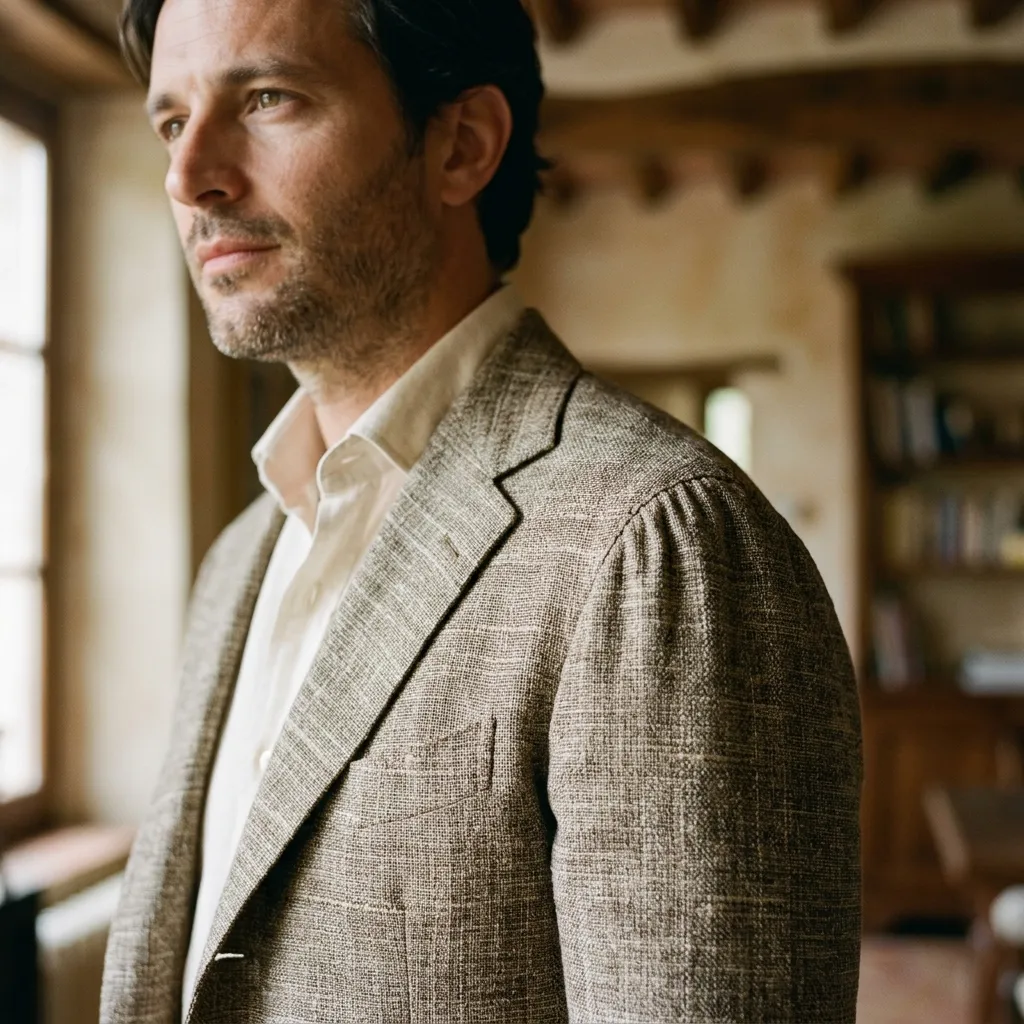
When confronting the daily dilemma of "what should i wear," the answer lies in identifying which tailoring philosophy harmonizes with your environment and your temperament. A dense, 14-ounce worsted wool or a resilient, high-twist Fresco from a heritage mill like Fox Brothers provides the structural integrity required for the metropolis. An unstructured jacket, however, tailored from a proprietary blend of silk, cashmere, and linen by Loro Piana or Carlo Barbera, breathes with an effortless sprezzatura suited for a weekend in Florence.
The Geometry of Proportion
Sartorial mastery is born in the millimeters. It dictates an exacting, almost obsessive attention to proportion and hand-finishing. The gorge—the precise seam where the collar meets the lapel—governs the visual center of gravity of the upper torso. A low, dated gorge drags the eye downward, whereas a expertly placed, moderately high gorge elevates the chest and broadens the shoulders.
The leg line requires equal scrutiny. The trouser hem must relate harmoniously to the vamp of the shoe; a slight, clean break over a bench-made Oxford demonstrates an understanding of geometric line. Details, too, matter profoundly. A raised, perfectly hand-stitched Milanese buttonhole, crafted over hours with silk gimp thread, is a quiet signal transmitted strictly to fellow connoisseurs. A true three-roll-two button stance provides a sweeping, dimensional lapel belly that a flat, fused, two-button front simply cannot replicate.
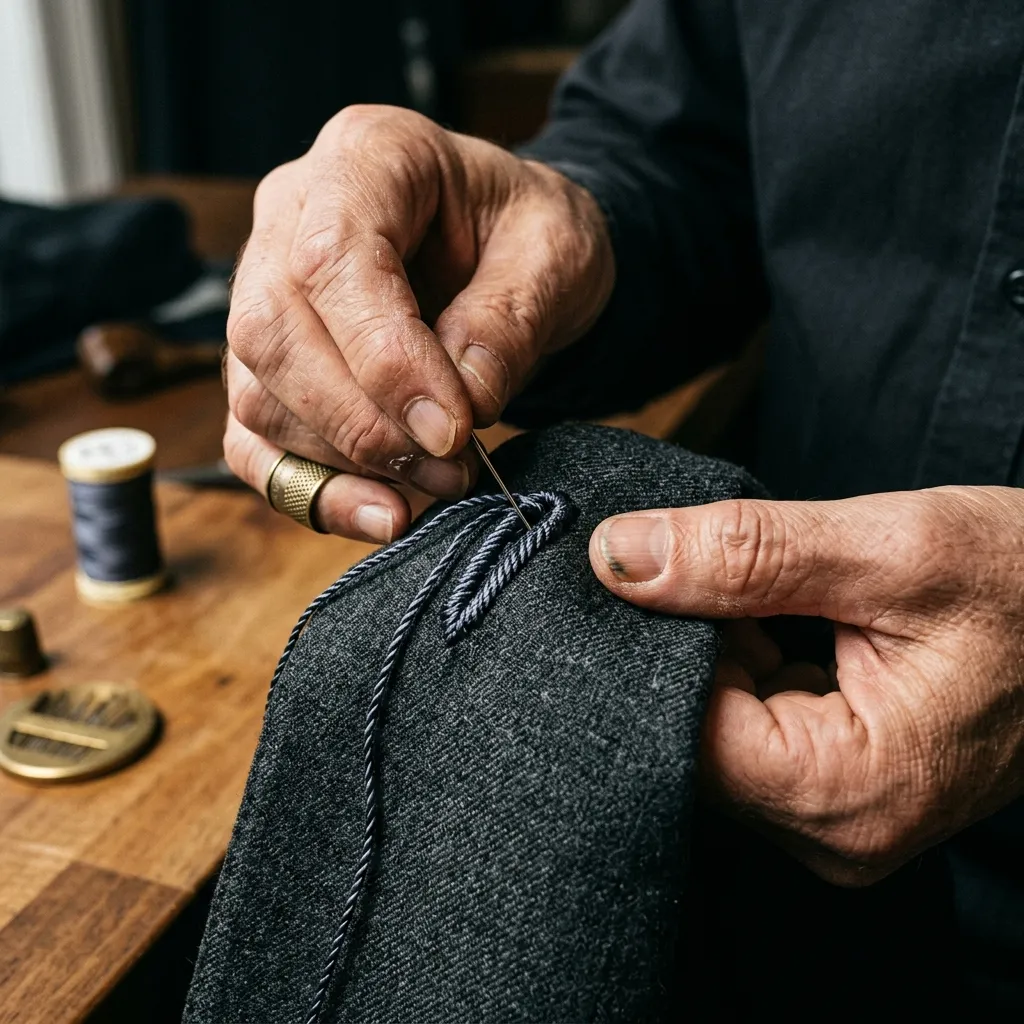
Building a wardrobe of this caliber is a lifelong pursuit of aesthetic refinement. It is the steady accumulation of bespoke commissions and bench-made footwear, finished with genuine horn buttons, hand-felled linings, and meticulous pick stitching. True luxury is not loud. It is the quiet, private joy of wearing a garment crafted by human hands, and knowing, unequivocally, exactly who you are.