How to Care for a Cashmere Sweater Properly
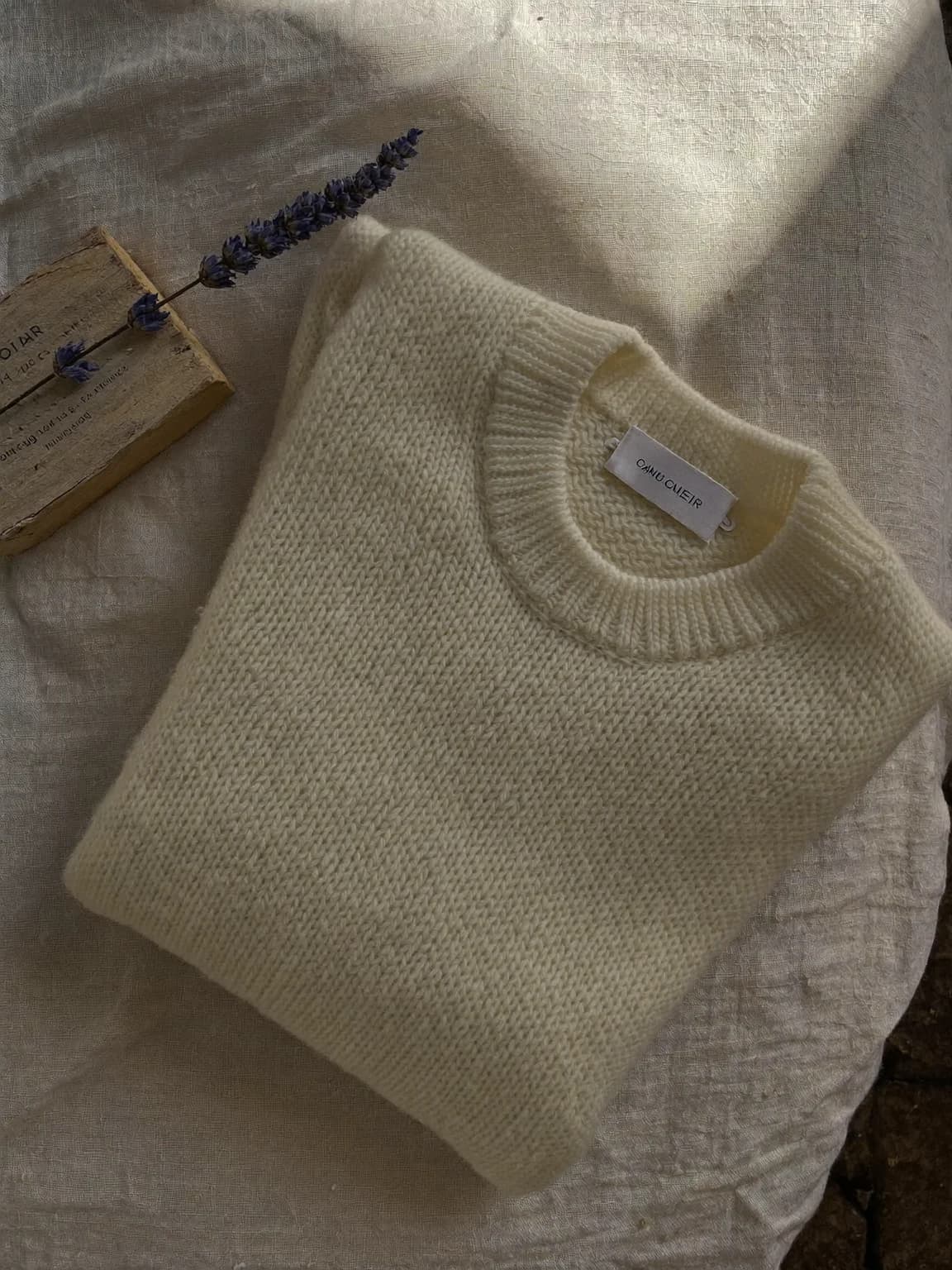
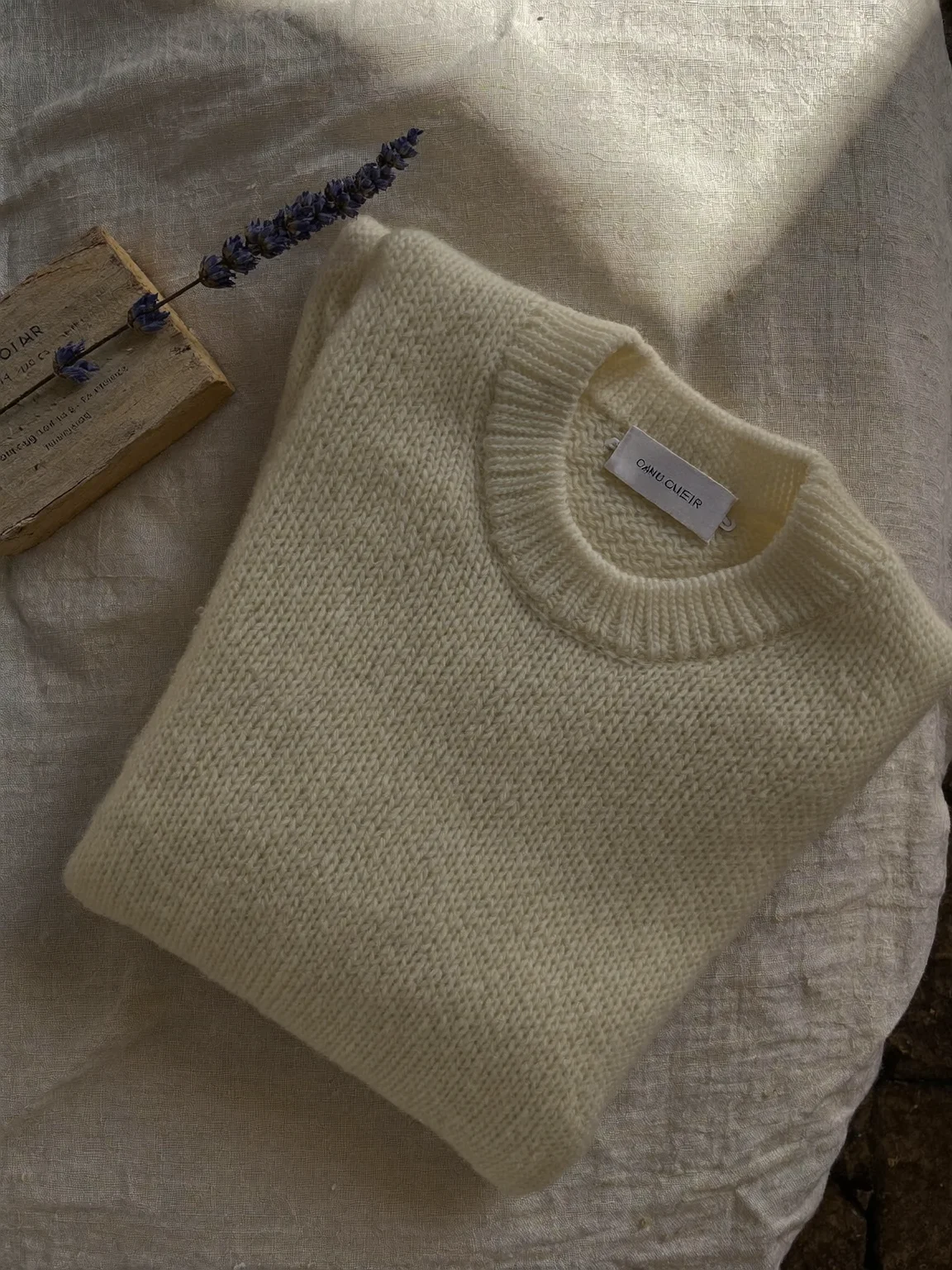
Cashmere has a reputation for being difficult. People buy a sweater, wear it a handful of times, pill it into an embarrassment, shrink it in the wash, or find it eaten through by moths — and conclude that the fibre is fragile by nature, a poor investment, not worth the price.
The reputation is largely undeserved. Cashmere is not difficult; it is simply different, and it responds very badly to being treated like ordinary wool or — worse — synthetic knitwear. Treat it correctly and a good cashmere sweater will outlast almost anything else in your wardrobe, softening and improving with each year of careful wear.
This guide covers everything: washing, drying, storage, pilling, moths, and how to recover a sweater that has already been mistreated. The principles apply across the range — from an entry-level piece to a double-faced Loro Piana coat — though finer fibres require proportionally more care.
Understanding What You Are Dealing With
Cashmere comes from the undercoat of the Capra hircus goat, combed during the spring moulting season in Mongolia, China, Iran, and Afghanistan. The fibre is prized for its exceptional softness and its warmth-to-weight ratio — a fine cashmere sweater will keep you warmer than a much heavier merino garment.
The qualities that make it luxurious are the same ones that require careful handling. Cashmere fibres are extremely fine — typically 14–19 microns in diameter, compared to 20–24 for most merino — which means they compress easily under heat or agitation, causing the fibres to lock together irreversibly. This is what shrinks a sweater and why the damage is usually permanent.
Ply and grade matter. A two-ply sweater is made from two yarns twisted together and is noticeably more durable and pill-resistant than a one-ply. Three-ply is warmer and more structured still. When manufacturers list "Grade A" cashmere, they are typically referring to fibre length: longer fibres pill less. Be sceptical of very cheap cashmere — low-grade fibre is short, pills immediately, and often loses its softness after the first wash.
Understanding this helps you calibrate your expectations. A £90 cashmere sweater from a high street chain is not the same material as a £450 sweater from a Scottish mill or an Italian specialist. Both are technically cashmere; the experience of owning them over five years is entirely different.
How Often to Wash It
Less often than you think.
Cashmere does not need to be washed after every wear. The fibre has natural properties that resist odour absorption, and excessive washing — even done correctly — puts unnecessary stress on the yarn over time. A sweater worn over a shirt or t-shirt, in a temperate environment, for a normal day of work or leisure, does not need washing after a single use.
The practical rule: wash after three to five wears, or when the sweater shows visible soiling or has developed a smell. Between washes, hang or lay it flat in fresh air for an hour or two after wearing — this releases body moisture and refreshes the fibre naturally.
When you do wash, always do it because the garment needs it, not out of habit.
Washing: The Right Method
Hand washing (preferred)
Hand washing is the safest method and the one that will extend the life of your cashmere most reliably.
What you need:
- A clean basin or sink
- Cool water — around 20–25°C. Test with your wrist; it should feel neutral, neither warm nor cold.
- A specialist wool or cashmere detergent. Woolite is widely available and serviceable; better options include Laundress Wool & Cashmere Shampoo, Eucalan (which requires no rinsing), or any pH-neutral detergent designed for protein fibres. Never use standard laundry detergent — its alkalinity damages the fibre structure and strips the natural oils.
The process:
- Turn the sweater inside out.
- Fill the basin with cool water and add a small amount of detergent — roughly a teaspoon for a single garment. Mix gently.
- Submerge the sweater and press it gently into the water. Do not agitate, scrub, or wring. You are encouraging water to pass through the fibres, not forcing it.
- Let it soak for ten minutes.
- Drain the basin and refill with clean cool water at the same temperature. This is important — sudden temperature changes cause shrinkage.
- Gently squeeze (not wring) the sweater to release the soapy water. Repeat the rinse once or twice until the water runs clear.
- To remove excess water: lay the sweater flat on a clean dry towel, roll the towel up with the sweater inside, and press firmly along the roll. This extracts moisture without distorting the fibres.
Never hang a wet cashmere sweater. The weight of the water will stretch it out of shape, permanently elongating the body or the sleeves.
Machine washing (when necessary)
Some cashmere garments are now labelled as machine-washable, and modern washing machines with a dedicated wool cycle can handle cashmere with reasonable safety. If you choose this route:
- Use the wool or delicate cycle only, at 30°C maximum — cooler is better.
- Place the sweater in a mesh laundry bag. This prevents it from snagging on the drum.
- Use a wool-specific detergent at the minimum dose.
- Disable any spin cycle, or use the lowest spin speed available. High spin is highly destructive to cashmere.
- Never tumble dry under any circumstances.
Even with these precautions, repeated machine washing shortens the life of the fibre more quickly than hand washing. Reserve the machine for garments you are less precious about.
What never to do
- No hot water. Ever. Even briefly.
- No standard laundry detergent or fabric softener. Both are formulated for cotton and synthetics and will damage cashmere.
- No tumble drying. The combination of heat and mechanical agitation will felt the fibre irreversibly.
- No wringing. Twist a wet cashmere sweater and you will distort the yarn structure permanently.
- No dry cleaning unless the label specifies it. The solvents used in dry cleaning are harsh on natural fibres and should be a last resort, not a routine.
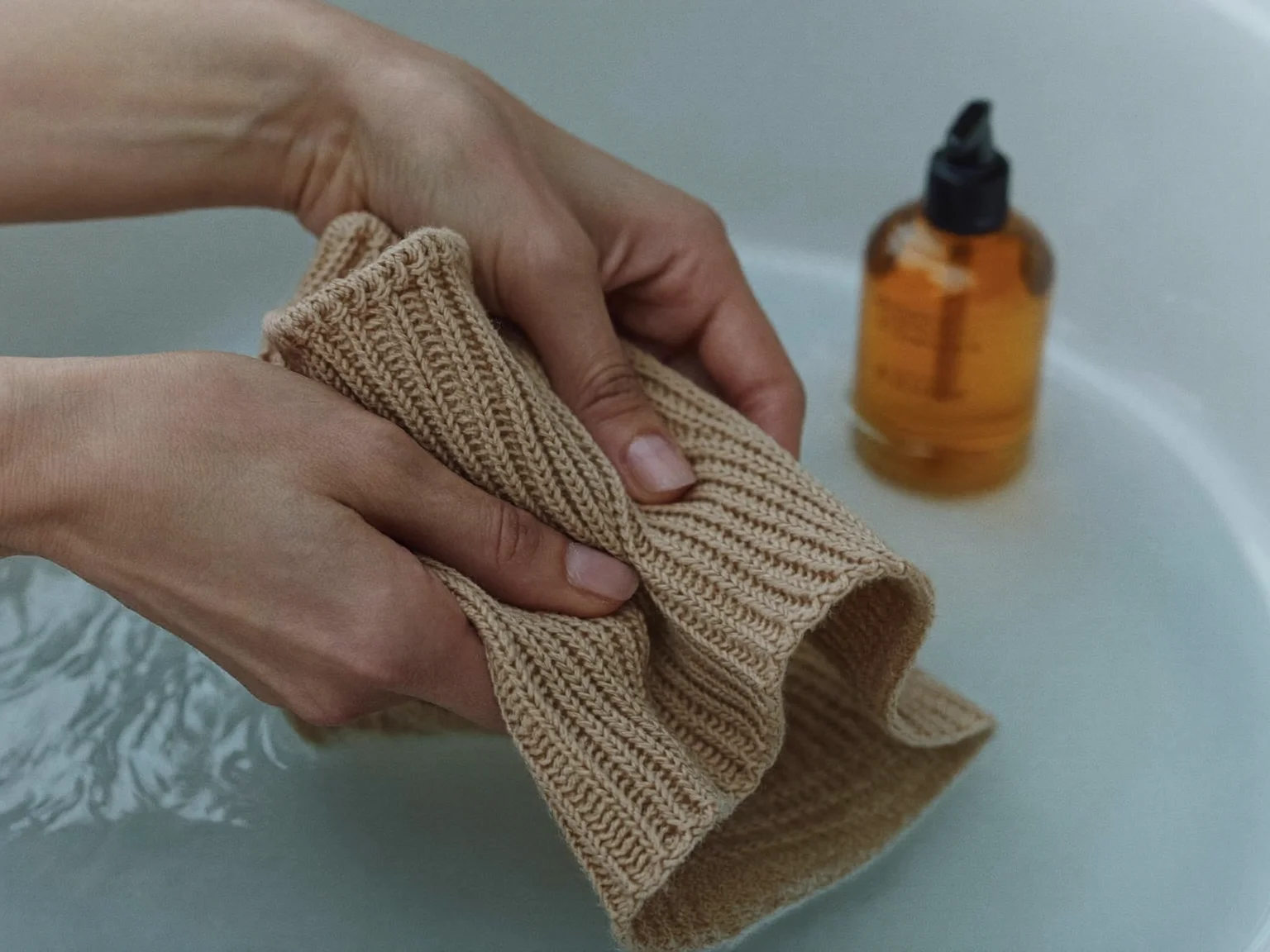 Press, not agitate. The goal is water moving through the fibres, not friction against them.
Drying
After removing excess moisture with the towel roll method, lay the sweater flat on a fresh dry towel or a mesh drying rack, away from direct sunlight and heat sources. Reshape it carefully while still damp — ease the shoulders back into proportion, straighten the ribbing, check the sleeves are even in length.
Drying time at room temperature is typically four to eight hours depending on the weight of the knit. Do not rush it with a hairdryer or by placing it near a radiator. Uneven heat causes uneven drying and can distort the shape permanently.
Flip the sweater after a few hours so the underside dries evenly.
Storage: The Enemy Is the Moth
Improper storage ruins more cashmere than improper washing. The culprit is almost always the moth — specifically the larvae of Tineola bisselliella, the common clothes moth, which feeds on keratin, the protein in natural fibres. Cashmere, being exceptionally fine, is particularly vulnerable.
Clean before storing
Moth larvae are attracted to body oils, food residue, and perspiration on fabric. A sweater stored unwashed is an invitation. Before putting cashmere away for a season, always wash it — even if it does not appear soiled. This is one of the most important rules in cashmere care.
Fold, never hang
Always fold cashmere for storage. Hanging stretches the fibre at the shoulder points over time, creating distortion that cannot be reversed. Use acid-free tissue paper between folds if storing for extended periods.
Sealed storage
For seasonal storage — putting your cashmere away in spring, for example — use breathable fabric bags or sealed containers. Plastic bags trap moisture and encourage mould; use cotton or linen storage bags that allow the fibre to breathe while keeping insects out. Vacuum compression bags work for bulk storage but flatten the knit structure; fine cashmere is better stored in a box or drawer.
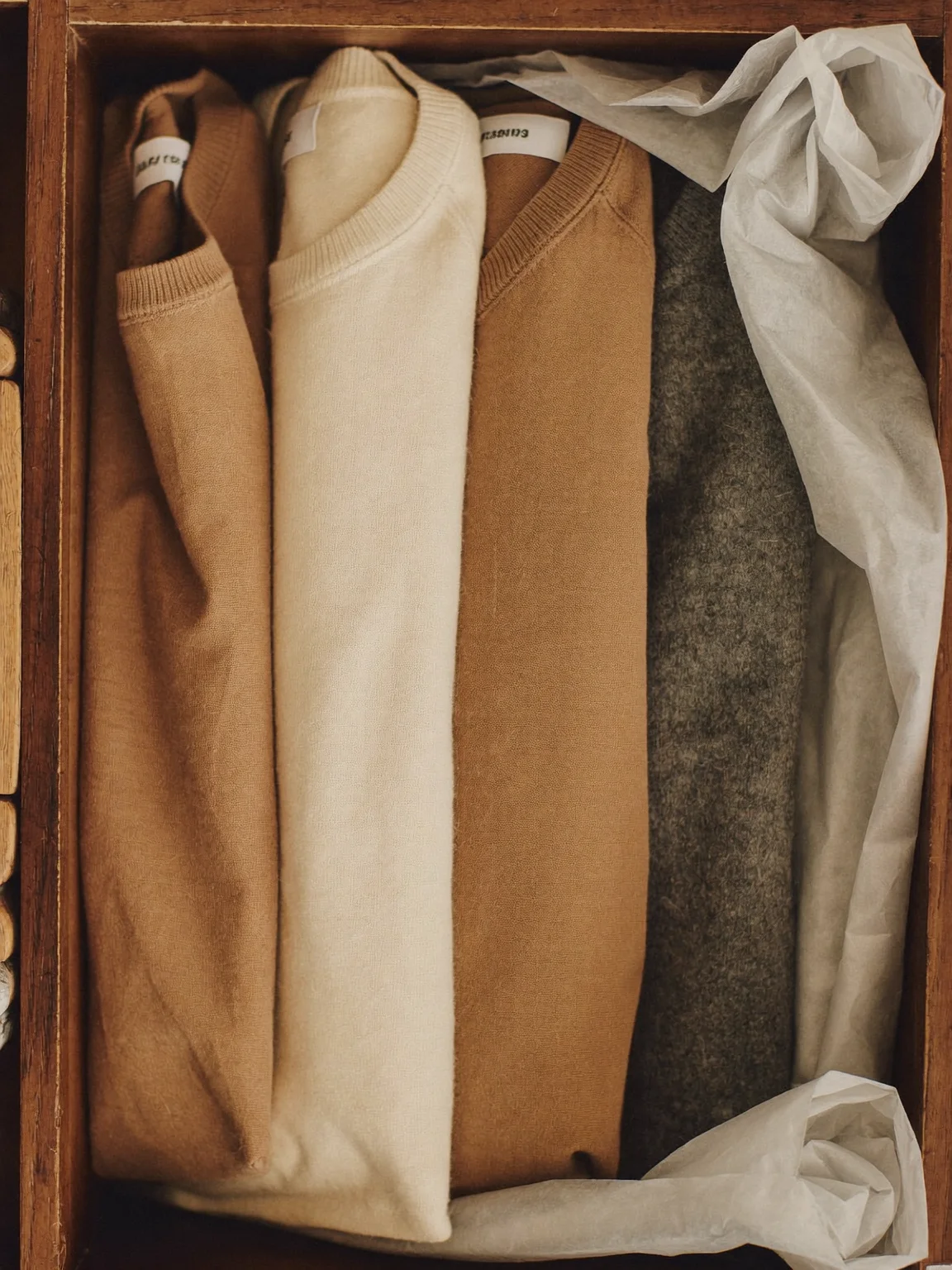 Fold, do not hang. Tissue paper between layers prevents compression marks and protects the surface over long storage periods.
Cedar and lavender
Natural moth repellents: cedar wood (balls, blocks, or rings hung in the wardrobe) and dried lavender are both effective. Cedar works by repelling adult moths before they lay eggs; lavender acts similarly. Neither kills larvae — they only deter adults. Replace or re-sand cedar blocks annually as the aromatic oils dissipate.
What does not work: mothballs containing naphthalene or paradichlorobenzene are effective but leave a persistent chemical odour that is extremely difficult to remove from fine fibres. Avoid them for anything you care about.
Regular inspection
Check stored cashmere every few weeks during the months it is put away. Early detection of moth damage — small irregular holes, usually along seams or on areas of the garment with body oil exposure — allows you to treat the affected piece before the infestation spreads. If you find evidence of moths, bag the affected garments separately immediately to contain the problem.
Dealing with Pilling
Pilling is not a sign of poor quality, though poor quality does pill more aggressively. Pilling occurs when loose fibres — broken during normal wear — tangle together on the surface of the knit. It is especially common in areas of friction: under the arms, at the cuffs, and where a jacket or bag strap rubs repeatedly.
The tool: a cashmere comb or fabric shaver. A cashmere comb (typically a fine-toothed comb in wood or metal) is the gentler option; it physically combs away pills without touching the underlying yarn. A fabric shaver (electric) removes pills faster but requires more care to avoid catching the knit itself. Both are inexpensive and useful to own.
The method: lay the sweater flat on a firm surface. Hold the fabric taut with one hand. With the comb, work in short, gentle strokes in one direction, following the grain of the knit. Do not press hard — you are lifting surface pills, not scraping the garment. Work in sections.
Do not use a razor blade or tape lint roller as a substitute. Razors risk cutting the yarn; lint rollers do not remove pills, only surface fluff.
A sweater that pills heavily after a few wears points to short-fibre yarn. This is a quality issue, not a care failure. Well-constructed two-ply cashmere from a reputable mill should not pill excessively even with regular wear.
Recovering a Sweater That Has Been Mistreated
Shrunken cashmere
If a sweater has been accidentally shrunk — typically through exposure to warm water or a tumble dryer — all is not necessarily lost. The process of shrinkage involves the scales on the fibre locking together, but in the early stages this can sometimes be partially reversed.
Baby shampoo method:
- Fill a basin with cool water and add a generous amount of baby shampoo (its conditioning agents help relax the fibres).
- Submerge the sweater and soak for 30 minutes.
- Gently remove and press out excess water with a towel — do not rinse.
- While still damp, very gently stretch the sweater back toward its original dimensions. Work gradually and evenly — shoulders, body, sleeves. Use a tape measure against the original dimensions if you have them.
- Lay flat to dry, maintaining the stretched position with books or pins if necessary.
Results vary depending on how severely the sweater shrank and how long it has been since the damage occurred. Fresh shrinkage responds better than old. Severely felted cashmere (where the fibres have completely locked together) cannot be recovered.
Stretched or misshapen cashmere
A sweater that has been hung wet and has distorted at the shoulders, or one that has stretched out over time, can often be corrected by washing correctly and reshaping carefully while damp. The key is working the fabric back while it has moisture in it — once dry, the shape is set.
For significant distortion, a steam iron held an inch above the surface (never touching) can help relax the fibres enough to allow reshaping. Move in slow passes, working section by section.
Frequency Reference
| Task | Frequency | |---|---| | Air after wearing | After every wear | | Wash | Every 3–5 wears | | Depill | As needed, typically once per season | | Cedar replacement / re-sanding | Once per year | | Deep clean before seasonal storage | Once per season | | Moth inspection during storage | Every 2–3 weeks |
The Brands Worth Caring For
Not all cashmere repays this level of attention equally. The sweaters that reward a careful owner most are those constructed from long-staple, high-grade fibre by makers with exacting standards.
Scottish mills — Johnstons of Elgin and Hawick Cashmere produce yarn and finished garments that represent some of the best value in premium cashmere. The heritage and the quality controls are genuine.
Italian specialists — Loro Piana, Brunello Cucinelli, and Roberto Collina (a lesser-known but exceptional knitwear manufacturer) work with exceptionally fine, long fibres. Loro Piana's "baby cashmere" — sourced from the neck of young Hircus goats — is among the finest natural fibres available.
Craft producers — N.Peal on Burlington Arcade in London has been making cashmere since 1936 and offers a repair service for its own garments. This is worth knowing before you buy.
These are the names that stand behind their product and whose garments will still be worth caring for in a decade.
Summary: The Principles
- Wash infrequently — three to five wears between washes, always in cool water with a specialist detergent.
- Never expose to heat — no hot water, no tumble dryer, no radiator drying.
- Dry flat — always, without exception.
- Store folded and clean — never hang for storage, always wash before putting away for a season.
- Use cedar or lavender — natural moth deterrents, renewed annually.
- Depill regularly — a cashmere comb is a small investment that preserves the appearance of your garment indefinitely.
- Buy quality to begin with — two-ply, long-staple fibre from a reputable mill is the foundation that makes all of this worthwhile.
For a complete overview of natural fibre types and their properties — including the full cashmere entry — see our Garment Lexicon. For recommendations on specific cashmere brands across different price points, visit our Brand Register.